
In this release, we have two brand new features available improving API and SAP PI/PO transport management.
Also, there are a host of other improvements and bug fixes for PI to Cloud Integration migration and DevOps for PI/PO in this release as well.
SAP PI/PO editing of conditions
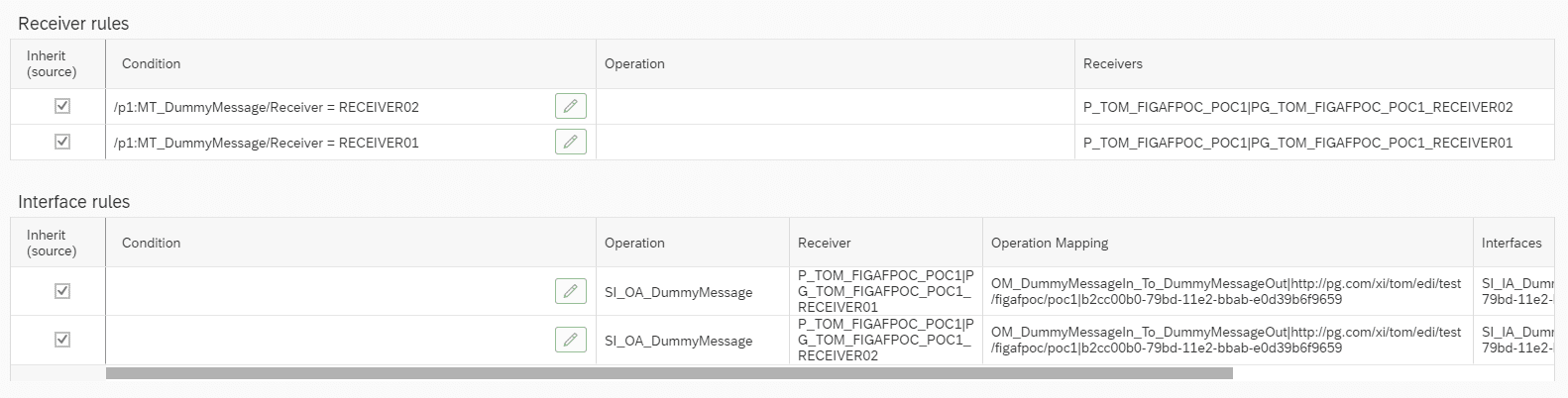
If you are using the Figaf DevOps Suite to handle your SAP PI/PO Directory transport you may run into a challenge where you need to reconfigure some conditions.
Now you have an option to configure conditions on XPath. This will make it possible for you to approve the changes also.
Then you can configure the XPath in a UI5 editor.
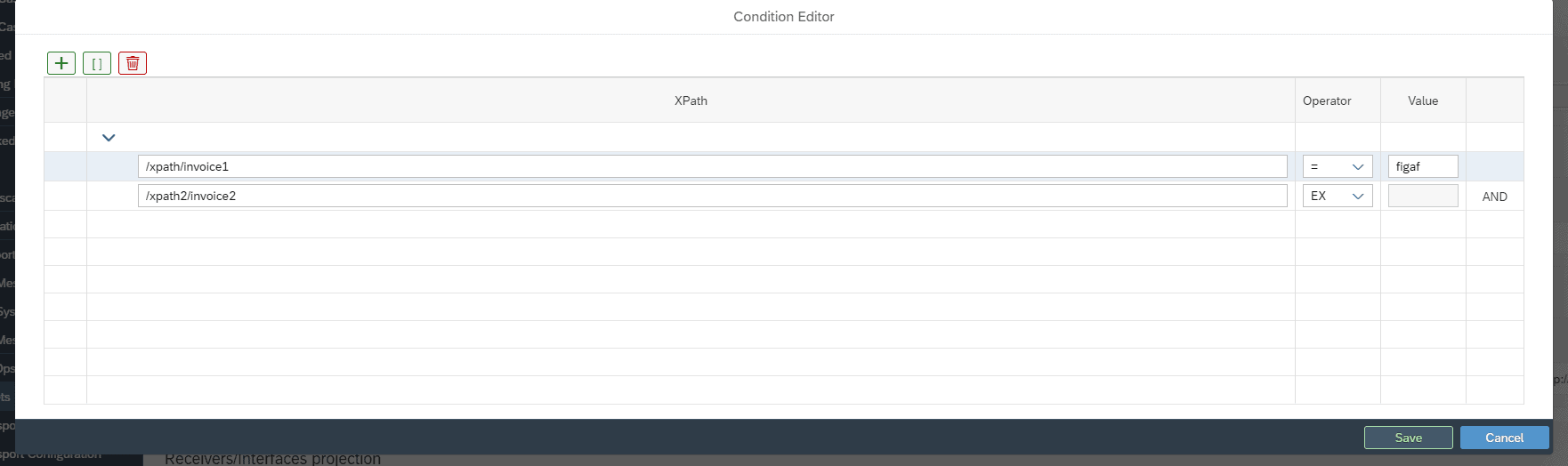
I think this will greatly improve the way you are configuring your ICOs when performing the transports and will save quite a bit of time on the configuration.
REST API and SOAP API converter
We had a customer that wanted to perform testing on REST API objects. We found that it was possible to perform the testing of those scenarios but we would end up with a limit on being able to transport the API.
So we have created a REST API and SOAP API to iFlow converter.
As we understand it, the only benefit of these object types is that you can see in the monitor how many REST/SOAP APIs you have.
So on the Change Tracking page you now have an option to select Transform REST/SOAP API objects.
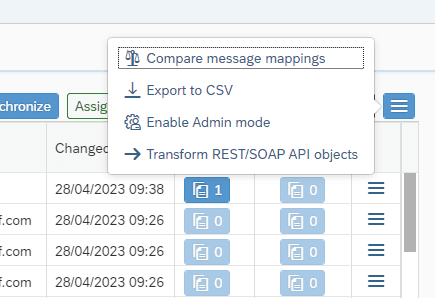
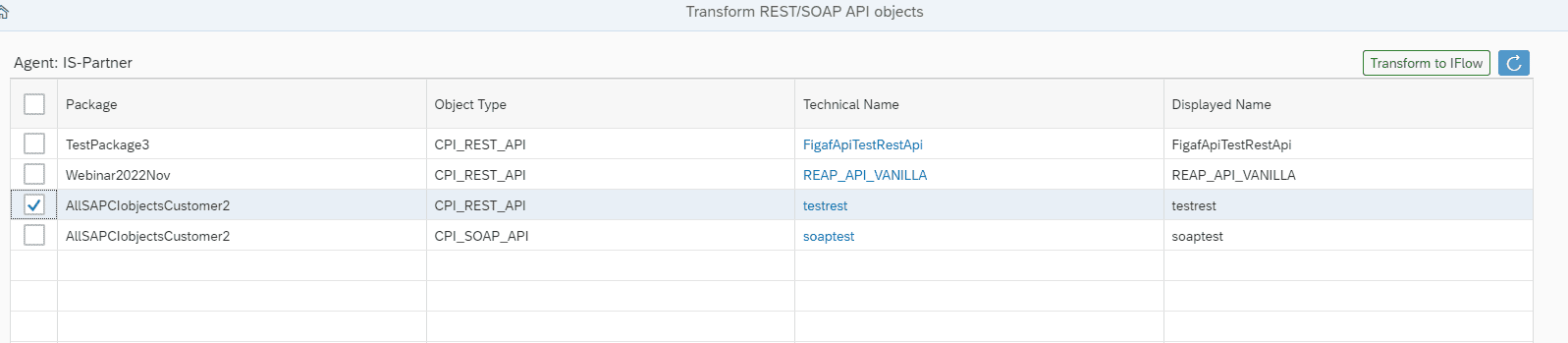
Select one or more objects and they can be converted to iFlow. You can select if you only want to create the iFlows or also delete the original objects.
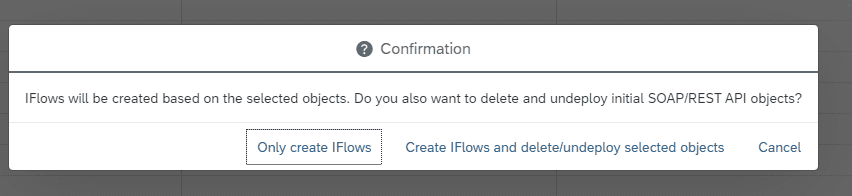
Once you have transformed the objects to iFlow you can create test cases and use the transport functionality.
For now, the best option is to convert such objects to iFlows.
CPIHelper
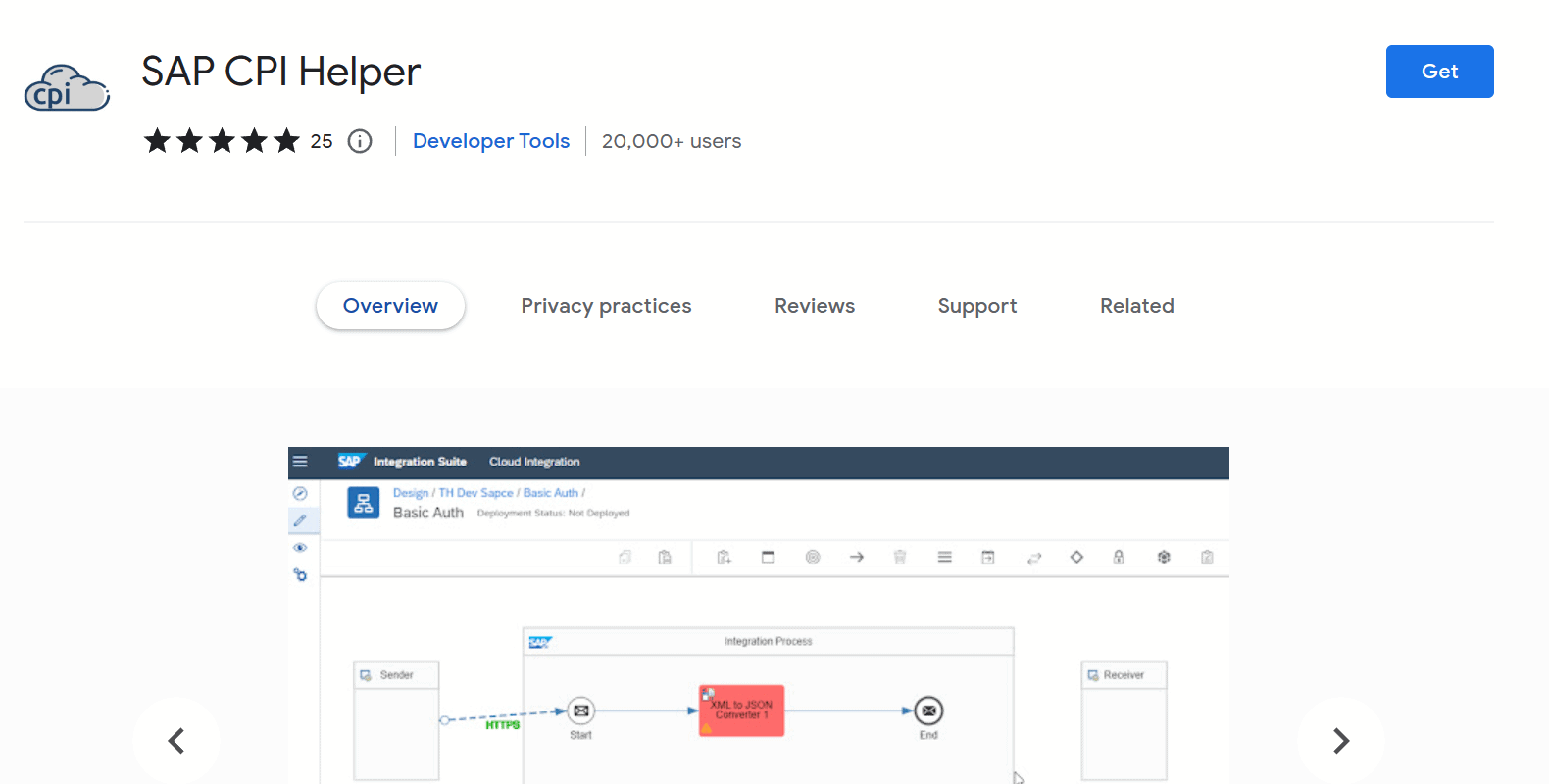
We love CPIHelper as it is the tool you as a developer need. We have noticed some ways to improve the tool, for example if you want to synchronize an iFlow or create a test case for it and Figaf does not know about it. Now it will be easier to create the cases without having to go and perform a full synchronization.
Other improvements
This release also includes numerous small improvements for PI to Cloud Integration migration that handle edge cases, so you don’t need to spend time on them.